Post – Op Supplies
Liposuction/Tummy Tuck/Lower Body Lift/Upper Body Lift
Please visit our website, preferred garment page and FB support page for product links and recommendations:
PRODUCTS: https://www.stl-psc.com/products/
GARMENTS: https://contemporarydesigninc.com/dr-cabbabe-recovery-shop/?wpam_id=514
FACEBOOK SUPPORT GROUP PAGE: https://www.facebook.com/groups/456105763238240/
LIFT CHAIRS: For tummy tuck patients (and some body contouring patients), we recommend renting a reclining lift chair to sleep in for approximately 2 weeks after surgery for proper positioning. This also helps facilitate getting up more easily after surgery and allows you to keep your legs elevated. Please contact Rent-A-Center (or other similar) for pricing and delivery options.
To ensure the best possible results and recovery, we recommend obtaining the following post-operative supplies prior to your surgery:
- Garments: During surgery, we will place you in the appropriate compression garments based on your procedure. These may include lower body compression garments, abdominal binders, surgical bras, or arm compression garments. The hospital will not provide an additional garment for you.
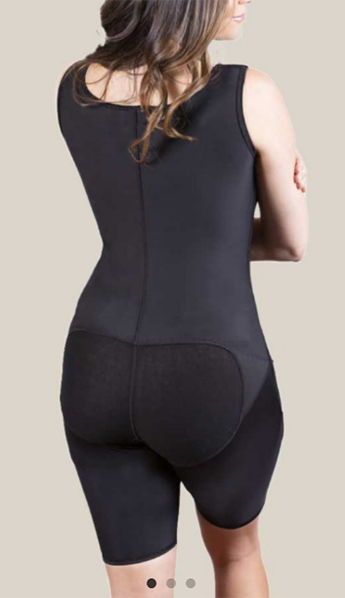
- Stage 1 Faja: Purchase a garment that extends below the knees if you had a thigh procedure. These garments have elasticity to allow for swelling after surgery. Begin wearing after your first post-op shower with the foam placed inside. A polyester seamless tank top worn directly on the skin can reduce skin irritation related to moisture from the foam. Use the hospital-provided garment as a backup while washing. This will be worn for the first month after surgery.
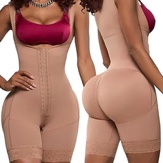
- Stage 2 Faja: Purchase a garment that extends below the knees if you had a thigh procedure. Stage 2 garments provide firmer compression and are less stretchy than Stage 1 garments. We typically recommend transitioning to Stage 2 garments at approximately one month after surgery, once swelling has begun to decrease. Foam is no longer needed when wearing a Stage 2 garment. Because swelling continues to improve between one and three months after surgery, many patients decrease by one to two garment sizes during this period, so having more than one size available is recommended.
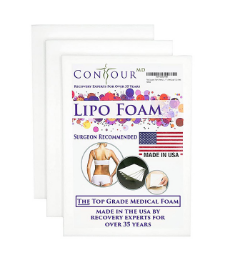
- Lipo Foam (5 Pack): BRING TO THE HOSPITAL IF YOU ARE STAYING OVERNIGHT, OTHERWISE BRING TO THE OFFICE THE DAY AFTER YOUR SURGERY. These should be added inside your garment the first day after your surgery in any areas where liposuction was performed to distribute pressure evenly. These are primarily used on the sides and back for the first month. A polyester seamless tank top worn directly on the skin can reduce skin irritation related to moisture from the foam.
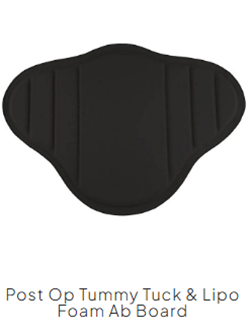
- Ab Board: Bring to your week one post-op appointment. These are used the first 3 months to help reduce swelling in the central abdomen, especially the lower abdomen.
- Compression Socks: Compression socks help promote circulation and reduce the risk of blood clots during your recovery. These will be used for 2-4 weeks after surgery.
- BBL pillow/Boppy/Pillows: Any patient who undergoes fat transfer to the hip dips or buttocks will be advised to use pillows for 6 weeks after surgery to avoid direct pressure on the grafted areas. Standard pillows or specialty BBL pillows may be used based on patient preference. Please refer to our Facebook support page for recommendations, as there is no single pillow that is considered best.
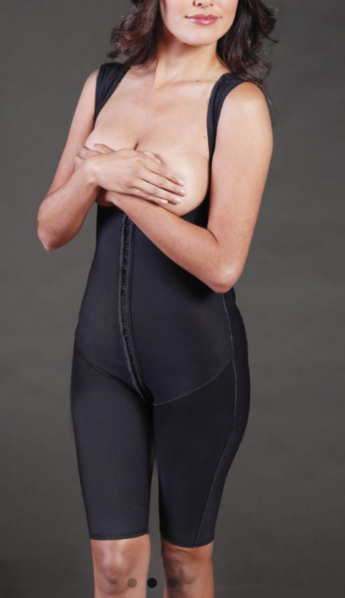
We recommend purchasing an additional compression garment (see below) so that you have an extra one to wear while the other is being washed. Faja’s are better quality than the lower body garments placed at the time of surgery, extend up over the shoulders and provide more even compression.
For body procedures, this should be an additional Stage 1 faja in your current size that extends up the back and over the shoulders to provide even compression.
For breast or arm procedures, we recommend purchasing an additional surgical bra or arm compression garment as appropriate. These breast and arm garments do not necessarily need to be Stage 1 garments, but they should provide appropriate support and compression.
If a thigh lift or thigh liposuction is performed, the compression garment should extend past the knees. Additional foot and calf compression stockings should also be available.
 OR
OR 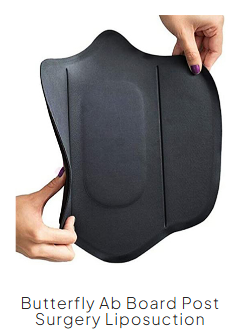
Thigh Liposuction/Thigh Lift/Lower Buttock Lift
PRODUCTS: https://www.stl-psc.com/products/
GARMENTS: https://contemporarydesigninc.com/dr-cabbabe-recovery-shop/?wpam_id=514
FACEBOOK SUPPORT GROUP PAGE: https://www.facebook.com/groups/456105763238240/
LIFT CHAIRS: For many patients, we recommend renting a reclining lift chair to sleep in for approximately 2 weeks after surgery for proper positioning. This also helps facilitate getting up more easily after surgery and allows you to keep your legs elevated, which is recommended for at least the first month. Please contact Rent-A-Center or a similar company for pricing and delivery options.
To ensure the best possible results and recovery, we recommend obtaining the following post-operative supplies prior to your surgery:
- Garments: During surgery, we will place you in the appropriate compression garments based on your procedure. These may include lower body compression garments, abdominal binders, surgical bras, or arm compression garments. The hospital will not provide an additional garment for you.
- Stage 1 Faja: Purchase a garment that extends below the knees if you had a thigh procedure. These garments have elasticity to allow for swelling after surgery. Begin wearing after your first post-op shower with the foam placed inside. Use the hospital-provided garment as a backup while washing. This will be worn for the first month after surgery.
- Stage 2 Faja: Purchase a garment that extends below the knees. Stage 2 garments provide firmer compression and are less stretchy than Stage 1 garments. We typically recommend transitioning to Stage 2 garments at approximately one month after surgery, once swelling has begun to decrease. Foam is no longer needed when wearing a Stage 2 garment. Because swelling continues to improve between one and three months (or longer) after surgery, many patients decrease by one to two garment sizes during this period, so having more than one size available is recommended.
- Lipo Foam (5 Pack): BRING TO THE HOSPITAL IF YOU ARE STAYING OVERNIGHT, OTHERWISE BRING TO THE OFFICE THE DAY AFTER YOUR SURGERY. These should be added inside your garment the first day after your surgery in any areas where liposuction was performed. This is used in areas such as the hips where contouring was performed or in looser areas of the garment to distribute pressure evenly.
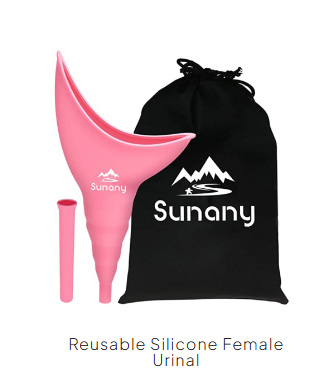
- Shewee (Female Urination Device): BRING TO THE HOSPITAL IF YOU ARE STAYING OVERNIGHT. Using a Shewee allows you to urinate without bending your legs to a 90-degree angle, which helps keep tension off the lower buttock or thigh incisions to allow better healing and less risk of incisions opening. This is very important.
- Compression Socks: Compression socks help promote circulation and reduce the risk of blood clots during your recovery. These will be worn up to 3 months after surgery for leg procedures.
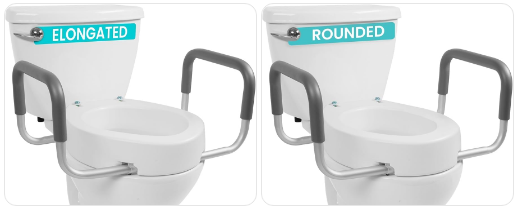
- Toilet Seat Extender / Toilet Seat Elevator: This helps reduce strain on your incisions when sitting down or standing up after surgery and makes using the restroom more comfortable during the early recovery period.
- Walker: A walker can provide additional stability and support while walking during the first several days after surgery, when mobility may be limited. Not all patients need this.
We recommend purchasing an additional compression garment (see below) so that you have an extra one to wear while the other is being washed. Faja’s are better quality than the lower body garments placed at the time of surgery, extend up over the shoulders and provide more even compression, which is particularly important if any body contouring procedure was also done.
For body procedures, this should be an additional Stage 1 faja in your current size that extends up the back and over the shoulders to provide even compression.
For breast or arm procedures, we recommend purchasing an additional surgical bra or arm compression garment as appropriate. These breast and arm garments do not necessarily need to be Stage 1 garments, but they should provide appropriate support and compression.
If a thigh lift or thigh liposuction is performed, the compression garment should extend past the knees. Additional foot and calf compression stockings should also be available.
One Month Post-Op Care and Supplies
At approximately one month after surgery, swelling typically begins to noticeably improve as healing continues. By this time, if surgical tape was placed on your incisions, it should have naturally come off or been removed. All tape should be removed prior to the 1-month postop visit so incisions can be properly evaluated.
It is common for small absorbable sutures to work their way to the surface as they dissolve. If you see or feel a small suture, you may gently grasp it with tweezers and carefully pull it out. If there is resistance, simply trim it with nail clippers or scissors at the skin level instead of pulling. This is important to decrease the risk of infection from the skin re-healing over the suture and trapping bacteria.
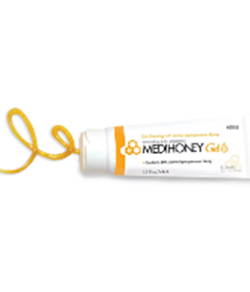
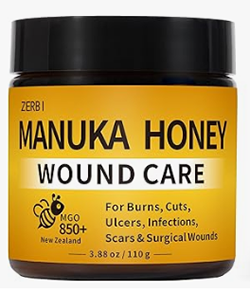
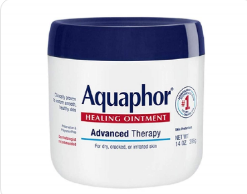
Sometimes these “spitting sutures” can create small superficial openings along the incision. If this occurs, after removing the suture, you may apply Medi Honey or Aquaphor to the area until it closes. This is common in many procedures; most patients will get these to some degree.
- Stage 2 Faja: Switch to your Stage 2 Faja one month after surgery.
- Foam: Discontinue foam products one month after surgery unless your garment feels loose in certain areas. Foam may be used to fill any spaces or gaps where the garment is not providing adequate compression.
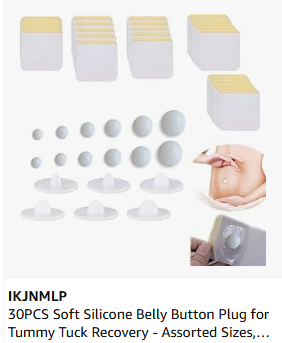
- Silicone Belly Button Shaper: A belly button shaper helps maintain the shape and depth of the belly button during healing after any procedures such as a tummy tuck or lower body lift or belly button revision. Do not begin using until your belly button is completely healed. Watch out for skin irritation with moisture and only use silicone tape to apply as needed to avoid skin tears from other tapes.
- Medi-Honey/Manuka Honey: Medi-Honey can be applied to small superficial openings that may occur as absorbable sutures work their way out of the incision.
- Aquaphor Healing Ointment Aquaphor can also be used on small superficial openings or dry healing areas along the incision.
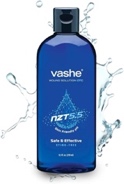
- Vashe: Vasheis a wound cleansing solution commonly used after surgery for incisions, small openings, and wounds.
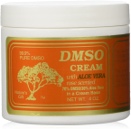
- DMSO: DMSO can be used to help improve blood flow in areas ofreduced blood flow or vascular congestion, where the skin or nipple appears purple, blue, or very dark, which can occur after breast surgery or skin flap procedures. Any patient who is having a breast lift or breast reduction may be asked to apply this after surgery. Occasionally a tummy tuck patient may be recommended to use this.
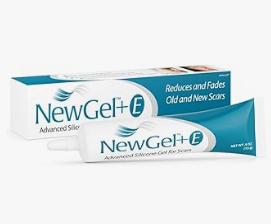
- Silicone Scar Gel: Silicone scar gel is used first after the surgical tape on the incision comes off for scar care until the incision is completely healed.. Apply a thin layer to the incision twice daily. Gel should be used while any small wounds are still healing or if there are areas that are not fully closed.
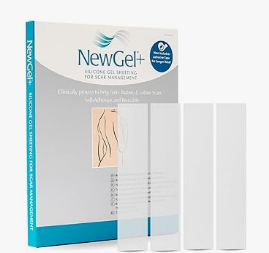
- Silicone Scar Tape: Once the incision is fully healed with no open areas, you may transition from scar gel to silicone scar tape. Silicone scar tape helps flatten and soften scars. If rashes develop, discontinue the tape and notify us for further instructions.
Samples of NewGel+ will be provided at your post-op appointment.